

Among the most vital appliances you have in your house is the hot water heater. A properly functioning heater reliably delivers the hot water for showers, cooking, dishwashing, and more. If you want a consistent, reliable supply of hot water, you’ll need an equally reliable hot water heater. So, it is best to keep the appliance’s age in mind. Models degrade over time, and after enough years, a hot water heater may break down unexpectedly, requiring immediate replacement.
Hot Water Heaters and Age
The lifespan of a hot water heater varies, but you can expect the average storage tank model to last 8 to 12 years, while tankless models last about 20 years. Regardless of the type of heater, the internal components and materials will degrade over time. Environmental factors might also cause the appliance to decline. At some point, these problems diminish the hot water heater’s reliability, and it may suddenly fail without warning. Not all declines are sudden, though. The heater might warn you with signs of imminent failure, such as a significant decline in efficiency.
Even if the heater doesn’t completely fail, inefficiency and repairs can be costly and inconvenient. Staying alert to signs of trouble can prompt you to perform maintenance or book replacement work before things get worse.
The Corrosion Factor
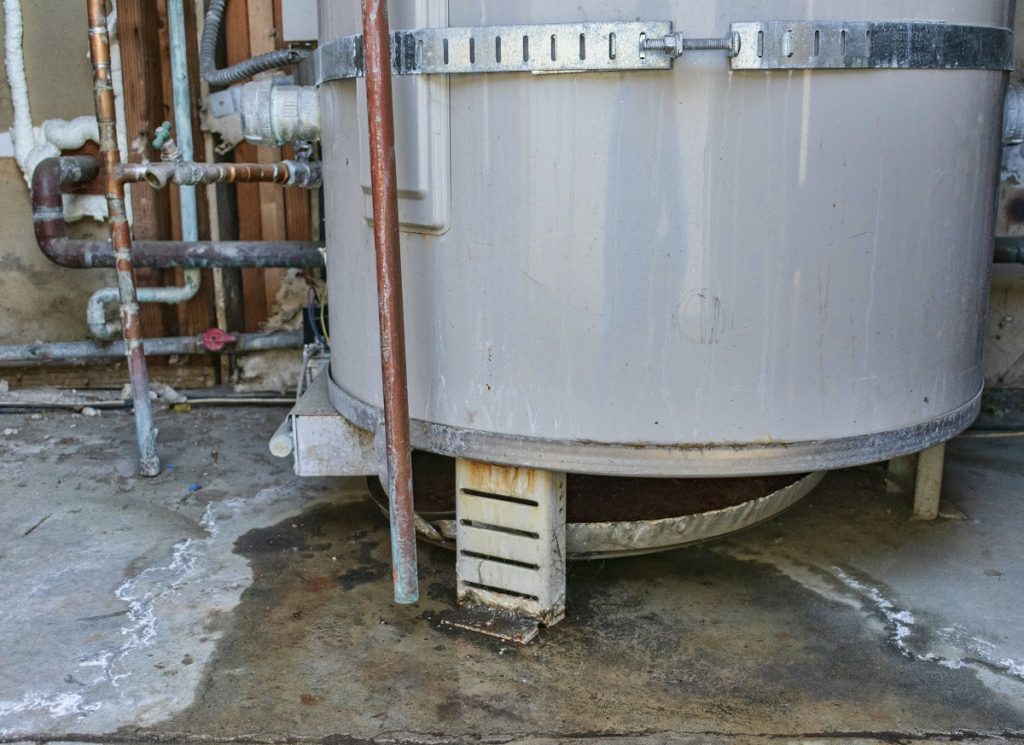
A top reason the water heater fails is corrosion, which weakens metal components and can lead to rust buildup inside the tank. Newer tanks typically have protective anode rods inside. These rods attract corrosive elements, but old tanks will experience degradation in the rods themselves. That can take a great deal of time, but some homes have very old heaters that should have been replaced long ago.
Sediment Builds Up
Sediment will also amass in your heater’s tank, and the buildup will worsen over time. All the minerals found in hard water will settle to the bottom of the tank, and the buildup will accumulate significantly over the years. Unfortunately, sediment can strain the heater during heating, potentially causing components to wear prematurely. Clogs and cracks become a risk with excess sediment, too.
Deterioration Over Time
Other components can deteriorate over time. Electric models may experience wiring issues or failures in other electrical components due to wear or sediment buildup. If you have a gas model, you may experience troubles with burners and thermostats that may gradually fail, leading to poor performance or complete inoperability. A failing thermostat may undermine the ability to regulate temperatures. Overall, the system may experience strain due to worn components. Strain might overheat the system. Overheating may lead to critical damage. Any cracks caused by strain or rust may lead to leaks, resulting in additional water damage in some cases.
Booking Routine Maintenance
It is a smart idea to stick to a routine maintenance schedule with your water heater. Regular inspections and flushing could preserve the life and reliability of the heater. During the inspection, the plumber could uncover a serious problem that requires immediate attention.
Call our team at NexGen Plumbing & Drains to book hot water heater installation or repair services in the Levittown, PA area. We’re here to help with all your hot water and plumbing needs.
