

If you’re like most homeowners, you don’t give your plumbing a second thought until a serious problem occurs. It’s easy to forget about your sewer line since it’s out of sight and out of mind. Don’t wait for a disaster to take action, though. Give your sewer line the regular TLC that it needs to continue to remain functional. How often you schedule a cleanout depends on several factors, including your household habits, whether mature trees are growing near your sewer line, the age of your pipes, and whether you’re already experiencing plumbing problems.
The Timeline for When Your Pipes Are in Good Shape
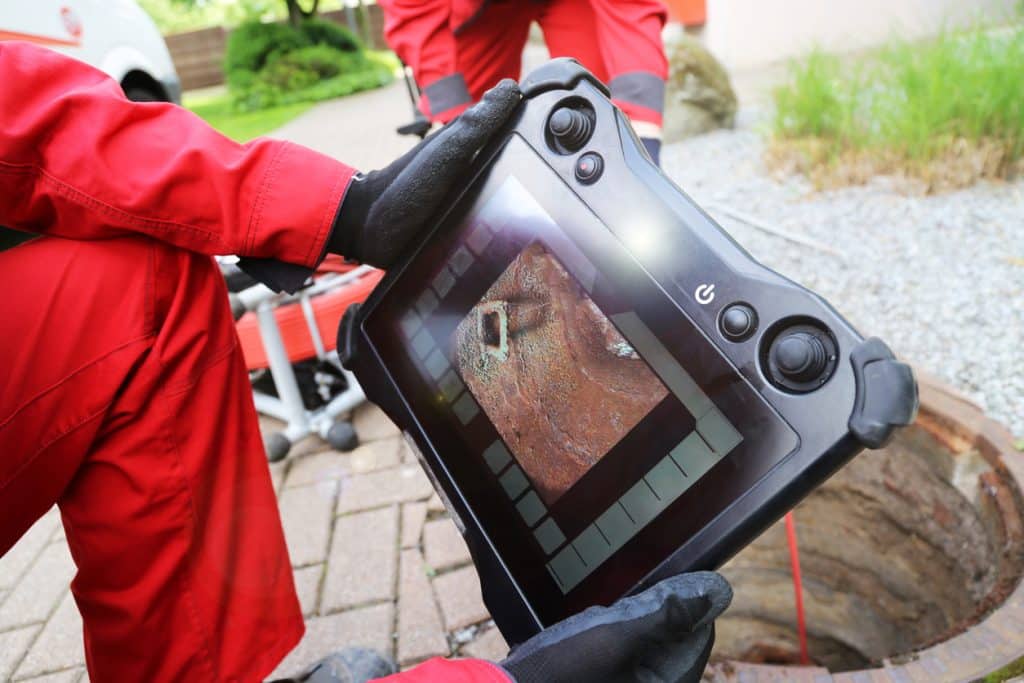
Plumbers recommend that you schedule a sewer line inspection and cleanout every two years if your house is newer or your pipes have just been replaced. The situation changes immensely if your property has mature trees or your pipes are older. Then, root intrusion becomes a serious concern.
Pipes made from clay, Orangeburg, galvanized steel, and cast iron develop small cracks over time. Tree roots are always in search of water and nutrients. Cracked sewer lines provide the perfect source. Once tree roots penetrate sewer lines, they widen the cracks and create a wooden web that traps toilet paper, cooking grease, soap scum, and hair. It’s best to schedule inspections every 12 months in these cases so that you can catch the roots before they make a real mess of your plumbing.
Signs Your Drains Are in Some Serious Trouble
Problems don’t just come out of the blue. Your plumbing will always alert you when trouble is brewing. If you see a patch of grass in your yard that’s much greener and lusher than the rest, the chances are high that your sewer line is cracked and is leaking waste, which acts like fertilizer. You may notice that the bathtub or kitchen sink is draining very slowly or the toilet gurgles when you’re running water at the sink.
When multiple fixtures are acting up all at the same time, this is always a sign that your sewer line has a blockage. The gurgling sound that you hear means that air is trapped inside the pipe and wastewater is trying to push past the obstruction. If you allow the problem to go on long enough, it won’t be long before a full-scale sewage backup occurs that can cost you thousands of dollars in property damage.
Daily Habits Influence the Timeline
If you use flushable wipes, you will find yourself calling a plumber much sooner than you expected because these wipes don’t break down like toilet paper. Instead, they snag on the insides of the pipes and contribute to blockages because they function as a net that catches everything else. The same is true if you have a habit of pouring bacon grease or cooking oil down the drain. This builds up inside the line and eventually causes a blockage, especially since the grease and oil will solidify when the temperature cools. Don’t treat your toilet and sink like a trash can. Only flush toilet paper and human waste, and dump oil and grease into the trash once it cools. If you have concerns or require sewer line services, contact NexGen Plumbing & Drains in Levittown, PA.
