

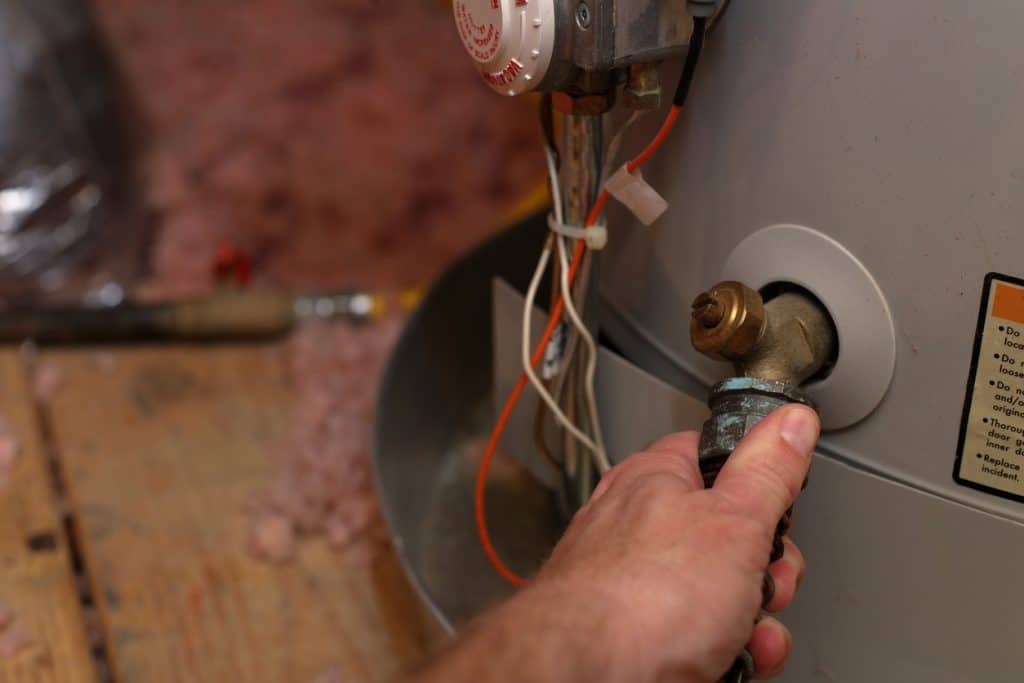
You may think of a rise in your energy bills during winter, and you might be aware of its effects on your roof, plumbing and HVAC system. However, those cold temperatures that hit during the season also affect your water heater.
Increased Wear and Tear
The water that enters your home in the winter is colder than it is in the summer, making your water heater work longer and harder. While you may automatically associate that with higher utility bills, it’s causing excess wear and tear on your unit. You and one or more members of your family may be taking longer, hotter showers throughout the cold months, which only increases strain on your water heater.
More Problems With Sediment
Your water heater is more likely to experience noticeable problems and damage from sediment in the wintertime. Whenever cold water comes in, the water heater is working harder, which means more calcium and magnesium are building up. If there’s more water usage in the winter, sediment is being stirred up. Also, the longer heating cycles may cause it to overheat and decrease your hot water tank’s efficiency.
Your tank may make more noise than usual because of the water that becomes trapped underneath the sediment. When this water boils, it’ll release steam and possibly cause noises like banging, rumbling or popping.
The excess sediment will also cover burners or elements, possibly causing them to overheat. This overheating may lead to tank damage or the entire unit failing. The extra stress on the water heater can shorten its lifespan.
Frozen Pipes Bursting
While pipes could technically freeze when temperatures drop to 32 degrees Fahrenheit or below, they tend to freeze around 20 degrees, especially when the temperature stays this low over a period of time. Pipes can freeze at this temperature in as little as three to six hours. If the pipes connected to the water heater freeze, it could limit or restrict water flow or contribute to leaks or bursts.
Components Are at Risk
The increased use and the water heater’s need to work harder to heat the water make failing components more of a concern. For instance, the thermostat must signal the system to heat more water as needed, and this occurs more frequently in the cold months. The thermostat could then fail completely or develop calibration issues.
Winter weather puts a greater demand on your water heater from the cold water and potential increased usage. Your components may wear out sooner than you anticipated, or you could even have a burst pipe near your water heater.
Call NexGen Plumbing & Drains in Levittown, PA today to schedule a visit for winter maintenance or repair for your water heater.
